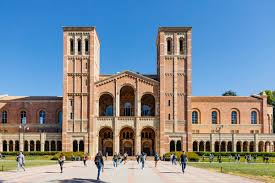
 The University of California (UC) is not just one university — it is one of the most influential public university systems in the world. Founded in 1868, the UC system has grown into a network of campuses that consistently rank among the best institutions globally. Known for its groundbreaking research, academic excellence, and diverse student population, the University of California represents the gold standard of public higher education in the United States.
A Vision Rooted in Public Service
The story of the University of California begins in the 19th century when California was still developing as a young state. The system was officially established in 1868 after the merger of the private College of California and a public agricultural, mining, and mechanical arts college created under the Morrill Land-Grant Act. The result was a public institution designed to serve the people of California through education, research, and public service.
The first campus, University of California, Berkeley, became the foundation of what would later grow into a multi-campus system. Over time, as California’s population expanded, new campuses were built to meet growing educational demand.
The Ten UC Campuses
Today, the University of California system includes ten campuses:
- University of California, Berkeley
- University of California, Los Angeles (UCLA)
- University of California, San Diego
- University of California, Davis
- University of California, Irvine
- University of California, Santa Barbara
- University of California, Santa Cruz
- University of California, Riverside
- University of California, San Francisco
- University of California, Merced
Each campus has its own identity, strengths, and culture. For example, UC Berkeley is known for activism and academic rigor, UCLA for entertainment and medical excellence, UC San Diego for science and engineering, and UC Davis for agriculture and veterinary medicine. Meanwhile, UC San Francisco is exclusively focused on health sciences and medical research.
Academic Excellence and Rankings
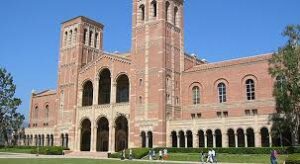 The UC system is consistently ranked among the top public university systems worldwide. Multiple campuses frequently appear in global university rankings such as QS World University Rankings and Times Higher Education. What makes UC unique is that several of its campuses rank individually among the world’s best — a rare achievement for a public system.
The system enrolls over 280,000 students combined and employs thousands of faculty members, including Nobel Prize winners, MacArthur Fellows, and National Academy members. In fact, UC-affiliated scholars have won dozens of Nobel Prizes over the years, contributing to advancements in physics, chemistry, medicine, and economics.
Research Powerhouse
Research is at the heart of the University of California’s mission. The system collectively spends billions of dollars annually on research funding. From medical breakthroughs to climate science innovations, UC campuses are leaders in discovery.
For example, UC researchers have contributed to cancer treatment advancements, artificial intelligence development, renewable energy technologies, and space exploration. The system also manages national laboratories on behalf of the U.S. government, further strengthening its scientific influence.
In biotechnology and health sciences, UC campuses have played a significant role in vaccine research and medical innovations. Silicon Valley’s technological ecosystem has also benefited from UC graduates and research partnerships, especially through UC Berkeley and UCLA.
Diversity and Access
One of the defining characteristics of the University of California is its commitment to accessibility and diversity. As a public institution, the UC system aims to provide opportunities for students from different economic and cultural backgrounds.
The system enrolls a high percentage of first-generation college students and underrepresented minorities. Financial aid programs are robust, with many California residents qualifying for grants and scholarships that significantly reduce tuition costs.
The UC admissions process is competitive, especially at campuses like UC Berkeley and UCLA. However, the system maintains a strong focus on holistic review, evaluating students beyond just grades and test scores.
Campus Life and Culture
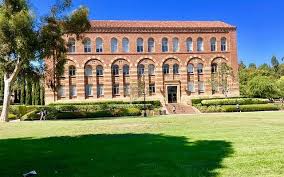 Each UC campus offers a unique environment. UC Santa Barbara, located near the Pacific Ocean, is known for its scenic beauty and vibrant student life. UC Santa Cruz is famous for its forested campus and alternative academic culture. UCLA, situated in Los Angeles, offers students access to one of the world’s largest entertainment industries.
Students participate in athletics, student government, research projects, internships, and cultural organizations. The UC system is also part of NCAA Division I athletics, with several campuses competing at high levels in sports.
Global Impact
The University of California’s influence extends far beyond the United States. Alumni of the UC system have become global leaders in politics, business, entertainment, science, and technology. From tech entrepreneurs in Silicon Valley to public servants and researchers worldwide, UC graduates leave a lasting impact.
International students also make up a significant portion of enrollment, bringing global perspectives to campus communities. This international presence strengthens UC’s reputation as a global institution.
Challenges and the Future
Despite its success, the University of California faces challenges. Rising tuition costs, housing shortages near campuses, and debates over admissions policies continue to shape public discussions. California’s high cost of living also affects both students and staff.
However, the UC system continues to innovate. Investments in sustainability, climate research, digital learning platforms, and interdisciplinary programs show that it remains forward-looking. UC campuses are also expanding research in artificial intelligence, clean energy, and public health.