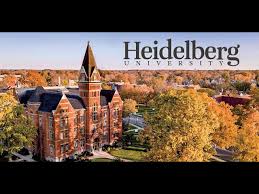
 Founded in 1386, Heidelberg University (officially known as Ruprecht-Karls-Universität Heidelberg) is Germany’s oldest university and one of the most respected research institutions in the world. With a history spanning more than six centuries, the university has played a central role in shaping European intellectual thought, scientific discovery, and academic excellence.
A Rich Historical Foundation
Heidelberg University was established during the Holy Roman Empire, at a time when higher education in Europe was still developing. It was the third university founded in the Holy Roman Empire after Prague and Vienna. Initially, the university focused on four traditional faculties: theology, law, medicine, and philosophy.
Over the centuries, Heidelberg survived wars, political shifts, and social transformations. The Thirty Years’ War, the Napoleonic Wars, and both World Wars left deep marks on Germany, yet the university rebuilt and adapted each time. After World War II, Heidelberg underwent significant reform and modernization, becoming a symbol of Germany’s academic renewal.
Today, the institution blends centuries-old traditions with cutting-edge research and modern teaching methods.
Location and Campus Environment
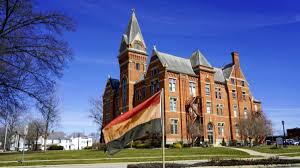 Heidelberg University is located in the city of Heidelberg in southwestern Germany. The city itself is famous for its romantic old town, historic Heidelberg Castle, and picturesque setting along the Neckar River. This unique environment creates an inspiring atmosphere for students and researchers.
The university is spread across two main campus areas:
- Altstadt (Old Town): Home to humanities and social sciences faculties, featuring historic buildings and traditional lecture halls.
- Neuenheimer Feld: A modern campus dedicated to natural sciences, medicine, and research institutes.
This combination of historical architectur
e and advanced research facilities reflects the university’s balance between tradition and innovation.
Academic Structure and Programs
Heidelberg University consists of 12 faculties covering a broad range of disciplines, including:
- Law
- Medicine
- Biosciences
- Physics and Astronomy
- Philosophy
- Theology
- Mathematics and Computer Science
- Behavioral and Cultural Studies
The university offers bachelor’s, master’s, and doctoral (PhD) programs. Many postgraduate programs are available in English, making it an attractive destination for international students.
Heidelberg is particularly well known
for its strength in medicine, life sciences, physics, and interdisciplinary research programs.
A Global Research Leader

Research is at the heart of Heidelberg University’s identity. It is recognized as one of Germany’s leading research universities and participates in the country’s prestigious Excellence Strategy initiative, which supports top-level scientific research.
The university has pro
duced numerous Nobel Prize laureates in fields such as physics, chemistry, and medicine. Its researchers have contributed to groundbreaking discoveries in cancer research, molecular biology, astrophysics, and environmental science.
Heidelberg also collaborates closely with major research institutions, including the Max Planck Institutes and the German Cancer Research Center (DKFZ). These partnerships strengthen its global research influence.
International Reputation and Rankings
Heidelberg University consistently ranks among the top universities in Germany and Europe. In global rankings such as QS World University Rankings and Times Higher Education, it is frequently placed within the top 100 universities worldwide.
The university has a strong international orientation. Thousands of international students from over 100 countries enroll each year. Exchange programs such as Erasmus+ and global research partnerships make Heidelberg a truly international academic hub.
Student Life and Cultural Experience
Student life in Heidelberg is both intellectually stimulating and culturally enriching. The city’s student population gives it a vibrant yet peaceful atmosphere. Cafés, libraries, historic landmarks, and river views create a unique university experience.
There are numerous student organizations, academic societies, sports clubs, and cultural events throughout the year. The university encourages interdisciplinary dialogue and student participation in research projects early in their academic careers.
Germany’s relatively affordable public university tuition fees also make Heidelberg attractive compared to universities in the United States or the United Kingdom.
Admission and Academic Standards
Admission to Heidelberg University is competitive, especially in programs like medicine and natural sciences. International applicants must demonstrate academic qualifications equivalent to German standards and provide proof of language proficiency (German or English, depending on the program).
The university maintains high academic standards, emphasizing independent research, critical thinking, and analytical skills.
While Heidelberg University is deeply rooted in tradition, it is strongly focused on the future. Current research priorities include:
- Artificial Intelligence
- Climate and Environmental Studies
- Digital Health
- Global Health and Infectious Diseases
- Interdisciplinary Scientific Research
By investing in innovation and international collaboration, Heidelberg continues to strengthen its position as a global academic leader.
ConclusionHeidelberg University represents more than 600 years of academic excellence. From its medieval origins to its modern research laboratories, it has consistently stood at the forefront of education and discovery.
Its combination of history, research strength, international diversity, and scenic location makes it one of Europe’s most respected universities. For students seeking a world-class education in a historic yet forward-thinking environment, Heidelberg University remains an outstanding choice.