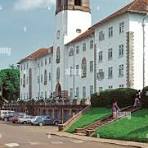
 Nestled on Makerere Hill in the capital city of Kampala, Makerere University holds a special place not only in the heart of Uganda’s educational system but also in the history of higher education across Africa. Often called simply “Makerere” or “MUK,” it is the oldest and most prestigious university in Uganda and one of the most historic institutions on the continent.
A Humble Beginning with a Grand Vision
The story of Makerere University begins nearly a century ago. In 1922, it was established as a modest technical school with just 14 day students learning carpentry, building, and mechanics. Over the following decades, it steadily grew — first offering courses in medical care, agriculture, and teacher training, then becoming a centre of higher education in East Africa. By 1949, it was affiliated with the University of London, awarding degrees through that system. Later, it became part of the University of East Africa and finally, in 1970, Makerere was formally established as an independent national university of the Republic of Uganda, granting its own degrees and shaping its own academic identity.
Academic Scope and Colleges
Today, Makerere University is comprehensive in scope, educating tens of thousands of students from Uganda and around the world. With more than 35,000 undergraduates and several thousand postgraduate students, the institution offers a vast array of programmes ranging from humanities and social sciences to engineering, health sciences, agriculture, computing, and business.
The university is organized into multiple constituent colleges, each specializing in a core area of study:
- Natural Sciences
- Health Sciences
- Engineering, Art & Design
- Agriculture and Environmental Studies
- Business and Management
- Humanities & Social Sciences
- Computing & Information Sciences
- Veterinary Medicine and Bio-Security
- Education and External Studies
- Makerere University Business School
This structure allows each area to develop deep academic and research capacity while contributing to the university’s broad mission of education and societal development.
A Hub for Research and Innovation
From its earliest years, Makerere has not only taught students but also engaged in research that matters. The university has been at the forefront of studies that address key national and regional challenges — including health, agriculture, climate change, governance, and education. Its partnerships with international agencies and development organisations have boosted research impact and capacity.
For example, research collaborations have included work with global bodies like USAID, the World Bank, the EU, and SIDA, advancing solutions in areas such as infectious disease control and sustainable agriculture. The university also plays a central role in strengthening Uganda’s innovation ecosystem, assisting in initiatives like automotive research and electric mobility development — efforts that helped lay the groundwork for Kiira Motors, Uganda’s pioneering automotive enterprise.
Cultural and Intellectual Influence
Makerere’s influence extends beyond its classrooms and laboratories. In the decades after independence, the university became a cultural and intellectual hub in East Africa. Many creative writers, thinkers, and leaders spent formative years on campus, contributing to discussions about society, politics, and culture across the continent. Such intellectual engagement helped Makerere become more than just a training ground — it became a forum for ideas that shaped the narrative of post-colonial Africa.
Over the years, alums have included prominent figures in politics, public service, business, and academia. This legacy underscores the role of the university in shaping leadership not just within Uganda, but across the East African region.
Modern Transformation and Technology Integration
In recent years, Makerere University has prioritised digital transformation, aligning its programs with global educational trends. The introduction of smart classrooms, online learning platforms, and blended learning opportunities reflects a commitment to ensure students have access to modern teaching tools and global opportunities. These innovations have been critical, especially during periods when in-person learning faced disruptions such as the extended COVID-19 shutdowns experienced in Uganda’s education sector.
Such moves have helped sustain academic activities and positioned Makerere to take advantage of digital networks, research collaborations, and international exchanges — a vital advantage in an increasingly connected world.
Life on Campus and Beyond
Makerere’s campus is more than a physical space; it’s a community. Students engage in academic endeavours, cultural activities, student organisations, and community development projects. Living and studying at Makerere offers exposure to a rich blend of cultures, ideas, and experiences — a reflection of Uganda’s own diversity.
The university also supports a vibrant student life with extracurricular clubs, forums for debate, and athletic programmes. It is a space where young minds are encouraged to question, create, and lead.
Challenges and Opportunities
Like many large public universities, Makerere faces challenges. Limited funding, overcrowded facilities, and infrastructure constraints have been persistent issues — common in many higher education systems in Sub-Saharan Africa. However, the institution continues to adapt and innovate, seeking partnerships and investment that support research growth and student success.
The broader higher education landscape in Uganda has expanded significantly over the past few decades. From a single dominant institution, the country now has several public and private universities meeting the rising demand for tertiary education. National education reform has also strengthened quality assurance and governance frameworks to uphold academic standard.
Beyond Borders: Global Relevance
Makerere’s academic footprint is not confined to Uganda alone. Its graduates and research have influenced global debates, particularly in areas like public health, sustainable development, and governance. The university has also maintained collaborations with international institutions, contributing to scholarly exchanges that foster a global perspective among its students and faculty.
Looking Forward
As Uganda approaches new phases of economic and social development — guided by national visions such as Vision 2040 — the role of higher education institutions like Makerere University will remain critical. The university’s mission to generate knowledge, develop leaders, and address societal needs ties directly into larger goals of national transformation and global engagement.
Makerere continues to balance tradition and innovation, legacy and progress, local impact and global reach. Its journey from a tiny technical school to a beacon of higher education stands as a testament to Uganda’s own aspirations for growth, learning, and societal contribution.